





What Attracts Pests to Your Yard?
Your pest problem may not actually start inside your home.
A mosquito breeding in standing water, ants finding an easy food source, rodents using clutter for shelter, or insects taking advantage of gaps around your property can all begin outside. Once pests find the food, water, shelter, and access they need, your yard can become more than just an outdoor space—it can become a pathway toward your home or business.
The good news is that understanding what attracts pests can help you recognize potential problems earlier.
Here are some of the most common conditions that can make a yard more attractive to pests.
1. Standing Water Can Create a Mosquito Breeding Opportunity
A small amount of water can be more important than many property owners realize.
According to the Centers for Disease Control and Prevention, mosquitoes lay eggs in or near water. Containers around a property—including buckets, tires, planters, toys, birdbaths, flowerpot saucers, and uncovered containers—can collect water and create places where mosquitoes reproduce. The CDC recommends checking these items regularly and emptying, scrubbing, turning over, covering, or discarding them when appropriate.
This is one reason a mosquito problem can seem to appear suddenly. By the time adult mosquitoes are making it difficult to enjoy your yard, favorable breeding conditions may already have been present nearby.
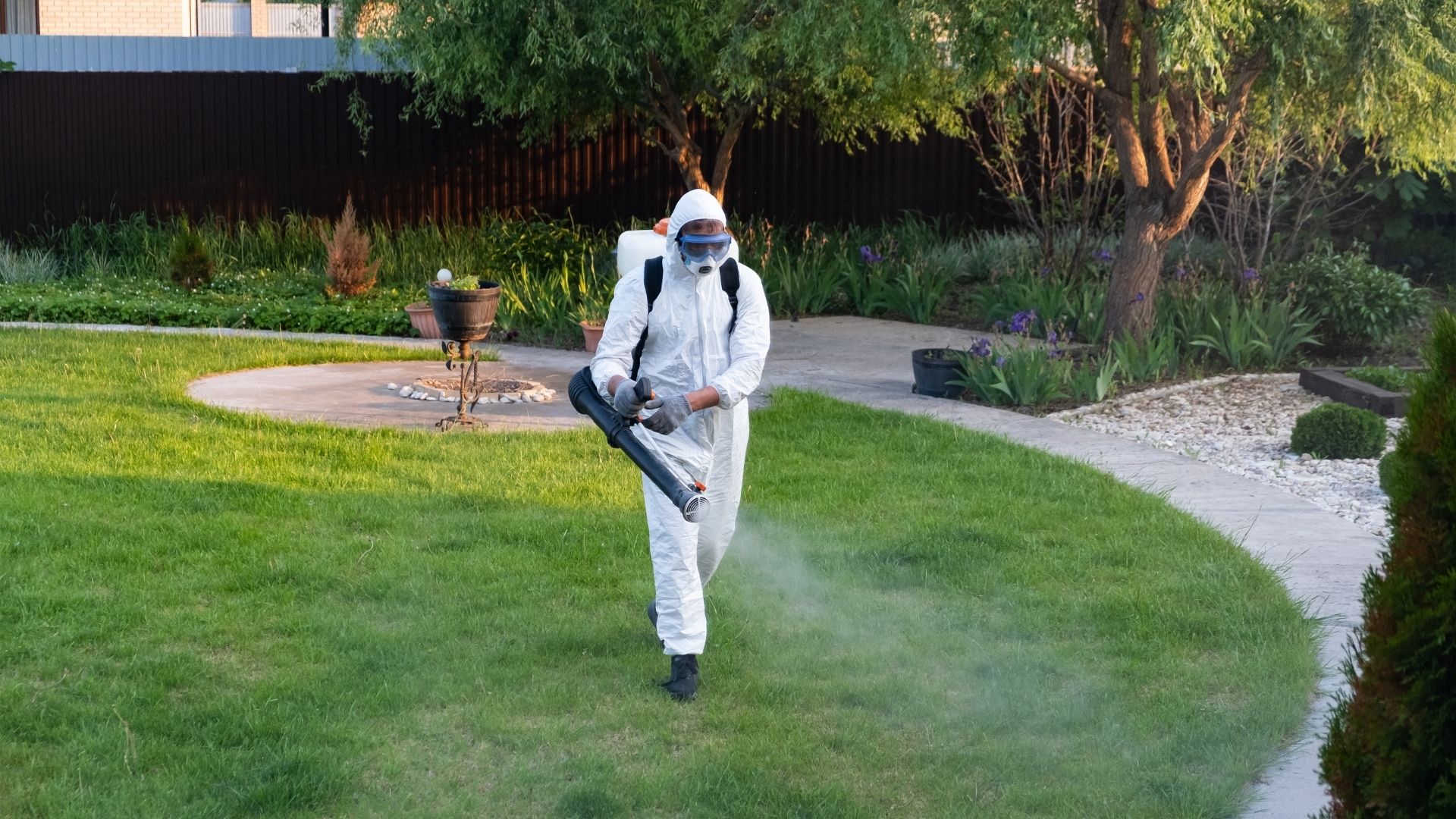
If mosquitoes continue to be a problem despite your efforts to reduce standing water, professional mosquito control can help address the activity around your property.
2. Dense Vegetation Can Provide Shelter
An overgrown yard can offer protected areas where pests rest, hide, or move through the property.
Vegetation growing close to a structure may also create convenient routes toward the building. The EPA recommends reducing conditions that provide pests with food, water, shelter, and access, including addressing environmental conditions that allow pests to establish themselves.
This does not mean that every landscaped yard will have a pest problem. However, when pest activity is already present, dense vegetation and areas that are difficult to inspect can make it easier for certain pests to remain unnoticed.
3. Leaf Litter and Yard Debris Can Create Hiding Places
Leaves, debris, and accumulated materials can create sheltered spaces close to your home.
The concern is not simply that a messy yard automatically causes an infestation. The issue is that clutter and sheltered areas can provide places where pests hide, making those areas harder to inspect and manage. The EPA’s pest prevention guidance emphasizes reducing food, water, shelter, and hiding places as part of an integrated approach to pest management.
If you repeatedly notice insects or rodents around the same part of your property, the surrounding conditions may be contributing to the problem.
4. Wood Piles Can Bring Pest Activity Closer to the Home
Stored wood can provide shelter for various organisms and insects, depending on the conditions and species involved.
A woodpile near a structure does not automatically mean that pests will invade the home. However, keeping potential harborage areas close to the building can make it more important to monitor the area for pest activity and structural vulnerabilities.
This is especially important when you are already concerned about ants, rodents, spiders, or wood-destroying insects. A professional inspection can help distinguish between a simple outdoor condition and evidence of a pest problem that requires treatment.
5. Moisture Can Make a Property More Attractive to Pests
Water does not have to be sitting in a bucket to create a problem.
Leaky outdoor fixtures, poor drainage, damp areas, clogged gutters, and other moisture sources can contribute to conditions that pests need to survive. The EPA identifies water and moisture control as an important part of preventing pest problems and recommends fixing leaks and eliminating unnecessary water sources.
If you keep experiencing recurring pest activity, it may be worth looking beyond the pests themselves and asking a different question:
What is giving them a reason to stay?
6. Outdoor Food Sources Can Attract Unwanted Visitors
A yard can offer plenty of food opportunities.
Unsecured garbage, food scraps, pet food, and spills can attract pests looking for an easy meal. The EPA recommends keeping food sources inaccessible, securing garbage, and reducing access to the resources pests need to survive.
For homeowners, this can mean paying attention to outdoor dining areas, trash containers, grills, and pet feeding areas.
For businesses, outdoor waste and food areas may deserve even closer attention as part of an ongoing pest management strategy.
7. Small Structural Gaps Can Become Big Opportunities
Pests do not need an invitation to enter.
Gaps around pipes and utility lines, cracks, openings near doors and windows, damaged screens, and other structural vulnerabilities can provide access from the outside to the inside.
The EPA recommends sealing entryways and other openings that pests can use to enter or hide.
The challenge is that many of these access points are easy to overlook. A homeowner may focus on the insects or rodents they can see without identifying how those pests are getting into the property in the first place.
That is where a professional inspection can make a meaningful difference.
Your Yard May Be Sending You Warning Signs
A pest-friendly condition does not always mean you have an active infestation.
But recurring mosquitoes, ants, spiders, stinging insects, or rodent activity should not simply be dismissed as something you have to live with.
Pest problems often involve more than the individual insect or animal you see. The surrounding environment, available resources, and access points can all play a role. This is the basic principle behind Integrated Pest Management, an approach supported by the EPA that combines inspection, identification, prevention, and targeted control methods.
The goal is not just to react to the pest you notice. It is to understand why the property is attractive to pests in the first place.
Stop Guessing and Find Out What Is Attracting Pests to Your Property
If you keep dealing with the same pest problem, spraying what you see may not address the conditions that are helping pests return.
Bee Wise Pest Management can help identify pest activity and provide professional solutions for mosquito control, ant control, spider control, stinging insect control, rodent control, and other pest concerns.
Your yard should be a place to relax, spend time with family, and enjoy your property—not a constant source of bites, unwanted insects, or concerns about what may eventually get inside.
Don’t wait until a recurring outdoor problem becomes an indoor infestation.
Contact Bee Wise Pest Management today to discuss your pest control needs and find the right solution for your home or business.